Liquid supplement drops: an ODM and OEM project brief
Prepare a private-label liquid supplement brief for the US: ingredient amounts, serving volume, dropper, packaging, sample checks and quotation scope.
NutraGuild · Updated
Procurement planning guidance. Confirm requirements for your product, formulation version and market.
What belongs in a liquid supplement brief?
Send one dated brief covering the intended US market, ingredient forms and amounts, proposed serving volume, liquid base, dispensing method, bottle configuration and acceptance plan. Mark each field as fixed, proposed or open for development. An existing controlled formula can start an OEM discussion; unresolved formulation choices belong in an ODM scope. Private label describes the branding arrangement, not whether the formula is ready.
Keep concentration, serving volume and bottle fill separate
- List each ingredient's identity, form and amount, with its unit and whether the amount is per mL or per proposed serving. Include the basis for any conversion.
- Record the proposed serving volume separately from total bottle fill. Keep label-serving decisions subject to review for the actual formula and intended use.
- State the carrier, flavor, color and sweetness preferences, source restrictions and excluded ingredients. Identify alternatives the formulation team may assess.
- Attach the formula or brief revision and identify who can approve changes. A product name or reference image is not a controlled specification.
Evaluate the liquid and dispensing pack together
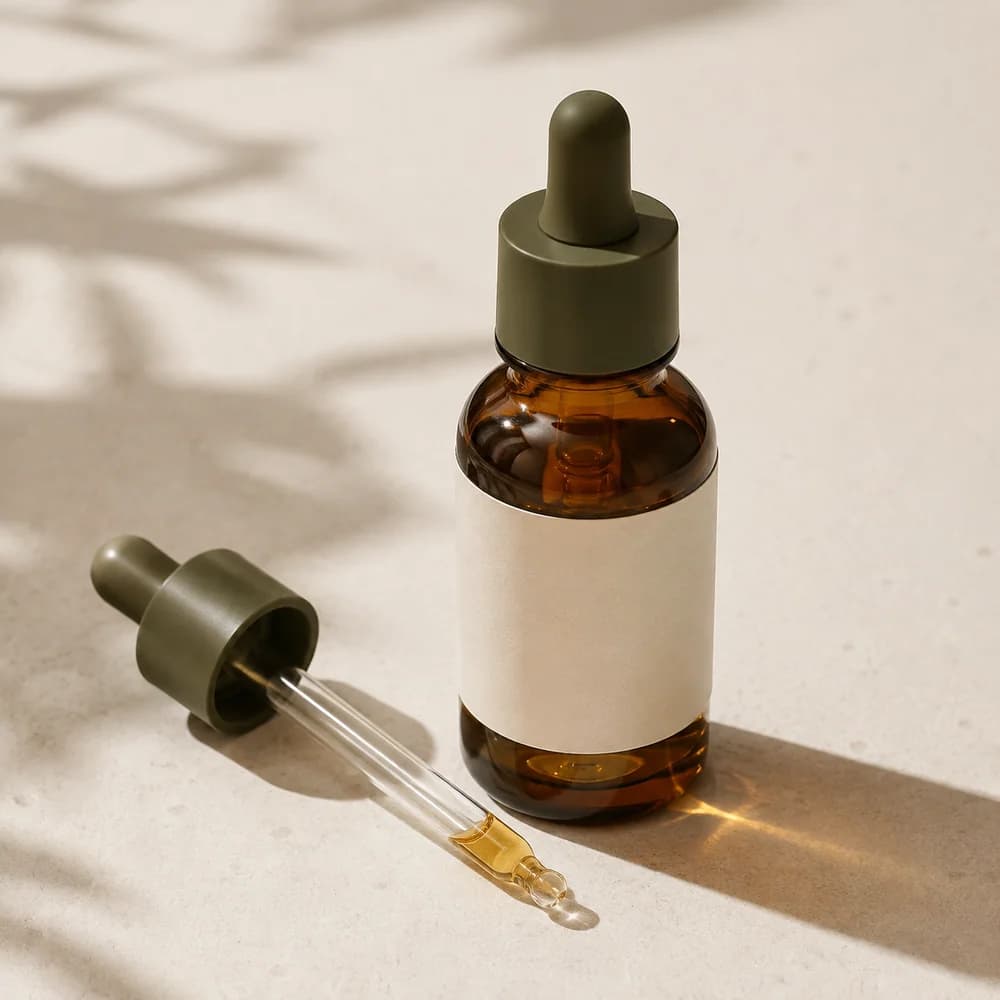
Specify the bottle material and nominal fill, closure, seal, dispenser type and any proposed volume markings. Ask how the actual liquid and selected device will be evaluated together, including serving measurement, leakage and handling. Do not price or approve a project using an assumed drops-per-mL conversion. If drop count is proposed, request the documented basis for that formulation and dispenser. Compatibility and suitability remain project questions until supported by evidence.
Agree a sample protocol before comparing samples
- Identify each sample by formula revision, sample code and packaging or dispenser version; record any differences from the proposed production version.
- Use the same written conditions when assessing appearance, taste, dispensing and pack handling. Record observations and unresolved differences separately.
- Ask which physical characteristics and any mixing or settling behavior need assessment for the proposed liquid, with methods and acceptance criteria agreed by the technical team.
- Distinguish a sensory sample from evidence of ingredient content, microbiological quality, storage conditions or shelf life. Request the applicable assessment plan for the final formula and pack.
Request a product-specific quality scope
Ask for the proposed product and contact-packaging specifications, test methods, acceptance limits and responsible laboratory. For US dietary supplements, 21 CFR 111.70 addresses component, finished-product, packaging and labeling specifications; it does not supply one universal test panel or approve your formulation. Tie requested batch documents and the release decision to the same version. An illustrative COA or a facility document does not establish conformity of your finished batch.
Compare bulk volume and finished bottles on the same basis
Separate the production minimum from bottle, dispenser, label and carton minimums. For quantity arithmetic only, 1,000 bottles with a 30 mL nominal fill represent 30 L before any agreed allowances. This is not a NutraGuild MOQ, capacity claim or confirmed saleable yield. Request the finished-pack quantity and the treatment of filling losses, samples and retained units in writing. Different flavors, strengths or pack designs may need separate quotations.
Make the quotation and handover explicit
- Use the same brief revision, fill volume, bottle count, dispenser and test scope for each quotation; record every assumption and exclusion.
- Separate development, sample revisions, packaging components, testing and freight from the recurring finished-pack price. Confirm the delivery point and price validity.
- Obtain project-specific MOQ and separate sample and production timelines with their start conditions; neither is established by this guide.
- Identify the contracting and manufacturing parties, label reviewer, batch-release responsibility and any outstanding evidence before a production commitment.
How NutraGuild fits the project
NutraGuild coordinates formulation, sampling, packaging and quotation discussions with its manufacturing partner; it does not own a factory. Share the known details and the decisions still open. The actual manufacturing site, feasibility, commercial terms and project responsibilities are confirmed separately. This brief is a purchasing aid, not a formula, dosage recommendation, approved label or batch-release record.
Sources and further guidance
External guidance supports the review topics above; it does not certify NutraGuild, its partner or a product. Consult current requirements for your project.
Bring your brief. Let’s build the next step.
Tell us your product, target market and estimated quantity. We will use your brief to scope formulation, samples, packaging and a project-specific quotation.